A 99.6% RTP blackjack table would get you laughed out of a Gala or Grosvenor. Online, it gets you laughed at for playing anything else. The gap between what traditional operators serve and what crypto-native platforms now offer has widened into something serious players can drive a bankroll through, and a growing slice of the UK’s analytically minded gamblers have noticed.
Why Provably Fair Beats Blind Trust
Traditional online blackjack runs on software you cannot inspect. The deck shuffles somewhere in a server farm, cards appear on screen, and when a losing streak hits five, six, or seven hands, you cannot distinguish bad variance from manipulated outcomes. That uncertainty caps how much rational players will stake, and it erodes the mental state required for correct basic strategy execution.
Crypto blackjack operates differently. Before the first card faces up, the platform publishes an encrypted hash of the deck’s complete shuffle. After the session, your unique player seed unlocks verification that the deck remained unaltered throughout play. The randomness is mathematically demonstrable, not contractually promised. For players running thousands of hands with disciplined bet sizing, confidence in integrity directly scales with position size. Open-source auditability means independent reviewers can examine the algorithms themselves, a level of transparency that makes traditional RNG certification look like a polite formality.
Where the House Edge Actually Goes
Standard blackjack with perfect basic strategy yields roughly a 0.5% house edge, already superior to nearly every other casino offering. Crypto operators have pushed this toward 0.2% or lower, with RTP figures of 99.5% to 99.8% appearing on custom minimalist tables. The mechanism is straightforward cost displacement: blockchain transactions bypass banking networks, card processors, and the compliance architecture that consumes margins at fiat-based operations.
A 1.6% RTP advantage sounds trivial until you compound it. At 200 hands per hour of £25 stakes, the difference between a 98% RTP fiat table and a 99.6% crypto equivalent preserves approximately £800 in expected value over a ten-hour session. For players approaching gambling with the same EV calculations they apply to trading positions or DeFi yields, this is the entire basis of game selection.
Speed and Scale for Serious Volume
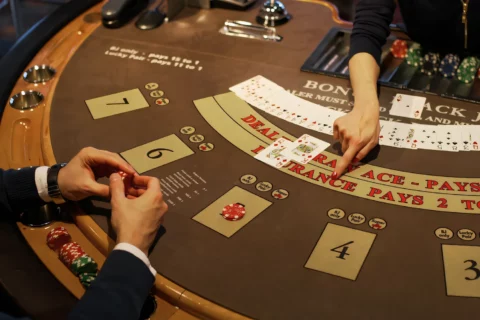
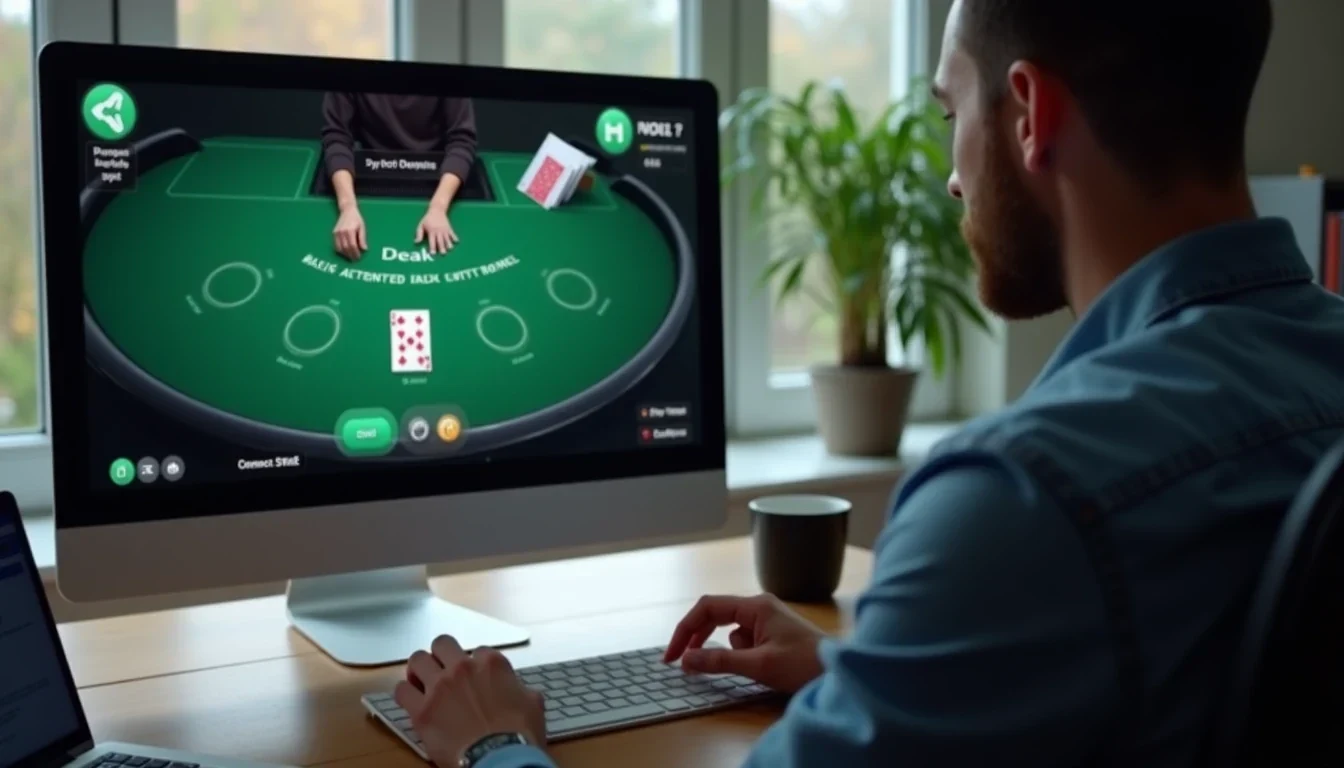
Traditional live dealer blackjack throttles throughput through physical constraints. Other players hesitate over hits and stands. The shoe depletes and reshuffles. A competent dealer might deliver 60 to 80 hands hourly. Crypto-native virtual tables strip this to the mathematical minimum: deal, decision, resolve. Turbo modes complete hands in under two seconds, pushing 200-plus hands hourly without the social overhead of tablemates or the performative patience of live streaming.
High rollers encounter additional friction in conventional channels. £10,000 deposits trigger compliance reviews. Withdrawals stretch across multiple banking days. Credit cards decline or flag. Crypto tables accept Bitcoin or USDT wagers at equivalent scale without these interruptions, and the ceiling often does not exist at all. Multi-hand play across three to five simultaneous positions runs without lag, and advanced platforms support automation with hotkey execution for players running systematic approaches.
The EV Mindset and Platform Architecture
The demographic drawn to these tables thinks in terms that traditional casino marketing barely acknowledges. They evaluate crypto casino rewards not as free spins or novelty perks but as yield mechanisms within an optimisable system. Rakeback returns a percentage of house edge on every wager regardless of outcome, functioning as a continuous rebate on theoretical loss. Combined with low-base-edge games and tiered VIP structures, the aggregate platform yield can approach breakeven or better when including weekly distributions and loyalty accruals.
This is not recreational loss acceptance dressed in technical language. These players treat casino architecture with the same analytical rigour applied to DeFi protocol selection or cross-chain fee minimisation. They reject 92% RTP slots and high-juice sportsbooks not from moral objection but from mathematical contempt. The preference for transparent, controllable alternatives mirrors behavioural patterns developed in volatile trading environments, where reflexes, risk tolerance, and data tracking separate survivors from casualties.
Crash games like Aviator attract overlapping interest through extreme volatility rather than edge reduction, rewarding the same skills of precise timing and loss management. Blackjack remains the anchor category for this segment because its structure permits systematic advantage, and crypto infrastructure removes the institutional barriers that previously diluted that advantage.
The Verdict for UK Players
The shift is not speculative. Provably fair verification, sub-0.5% house edges, unthrottled throughput, and frictionless high-stakes handling are operational realities at established crypto platforms. For UK players already comfortable with Bitcoin or Ethereum custody, and already running EV calculations on their gambling activity, the traditional online casino offer has become difficult to justify on purely mathematical grounds. The remaining question is whether individual discipline can survive the increased pace and scale, because the table conditions themselves have ceased to be the limiting factor.